


Diclaimer: This is not a legal advice. It is for education
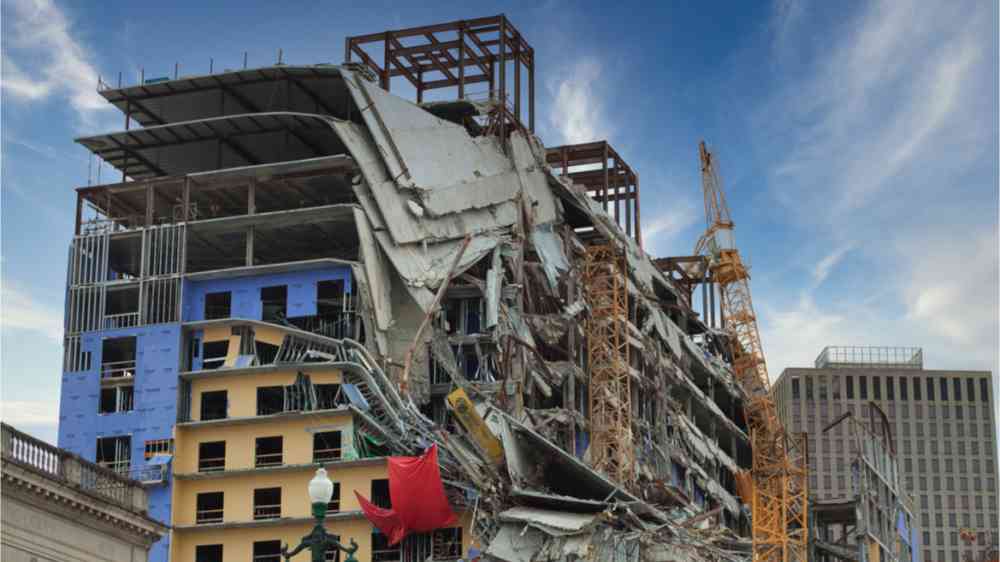
Building collapses in Nigeria have become a very serious problem. Hardly can a week pass without news of a building collapse somewhere in Nigeria with people dying and properties lost. The cause of this problem is largely non-compliance with building codes and regulations, and the government is complicit for not enforcing the laws, rules and regulations on building of houses in Nigeria. When a building collapses on people and properties in Nigeria, all we here from the government is that the law will take its course. Rarely do you hear of arrests, prosecutions or any accountability.
The question is WHO bears the brunt of building collapses in Nigeria? It is you, the occupants and the owners of the buildings. Therefore, this short article is for you to get some knowledge on how to identify the problems which can lead to a building to collapse. And for you to understand that it is a duty for you to report to the appropriate authorities and when nothing is done, your best option is to run away from the building. Relocate.
The good news about most building collapses is that they don’t just happen. In most cases, they show warning signs long before they happen. You can learn to spot them and avoid them.
Here are tips on how Nigerians can detect and identify a prospective building that may collapse and avoid it:
- Outside the building
- 1. Cracks: Wide diagonal cracks on walls, especially near windows and doors. Hairline cracks are normal, but cracks you can put a finger in are a red flag.
- 2. Leaning or sagging:When the building looks like it’s tilting, or floors/roof are sagging.
- Exposed and rusted reinforcement: Iron rods sticking out of columns or beams and already rusted. Rust expands and breaks the concrete.
- Water pooling:Signs of serious leakage, damp walls, or the building sitting on waterlogged or soft soil.
- Too many floors added:When a two- or three story building you know suddenly has 4 floors or more in a very short time. Check if the foundation was designed for it. Ask questions. Most times there may be no proper reinforcement.
- Inside the building:
- Doors and windows jamming: If doors suddenly don’t close well, the frame may be shifting.
- Cracks on floors, stairs, or ceilings:Especially staircases separating from the wall.
- Vibration:If the building vibrates when vehicles pass or when people walk heavily.
- Bouncing floors: Floors feel weak/spongy when you walk.
- Corrosion stains: Brown or yellow stains on ceilings. These are signs of leaking pipes eating the reinforcement.
6: When you can see that the building is old and dilapidated.
- About the construction itself
- No approval notice: Ask for approval, building permit. Legitimate projects in Lagos, Abuja, and other states in Nigeria display “Building Plan Approval” from LASBCA/FCDA or from the building control agencies of the state. Ask to see them. They are legitimate questions. If you don’t see them, don’t deal.
- No professionals on site: If there’s no architect, engineer, or site engineer supervising. This is dangerous. Ask to know the professionals that worked on the building, especially when it is a high-rise building. These professionals are normally supposed to be listed and displayed somewhere in the building for the public to see. The government is supposed to make this compulsory, but you can find the information yourself. Your lawyer or agent should write to the owners or managers of the building to demand this information. It is within your right to so do.
- 3. Rushed construction:When a building is rushed from foundation to roofing in two to three months, depending on the size, it’s a red flag. If you ask question, you can get information. You should find out about compliance.
- Use of substandard materials: Blocks that crumble in your hand, sand with too much dirt, very little cement. These things may be difficult to find out when a building is already completed, but professionals have a way of finding out if you engage them. Talk to an architect.
QUESTIONS TO ASK THE LANDLORD/AGENT
- Was this building approved. Can I see the building plan approval.
- Who designed and supervised the building. Ask for the engineer or architect’s name. Check if they are COREN/ARCON registered.
- How old is the building. Has there been any structural repair.
- Was a soil test done before foundation. Demand to see the report. Important in most southern states due to swampy soil.
- Has any government agency ever issued a quit or renovation notice on this building.
6: Ask generally if there is any problem known to the owners or managers that should be disclosed.
7; Ensure that there is security for safe exit in case of emergencies.
If the managers or owners get defensive or can’t answer, walk away.
WHO TO REPORT TO / GET HELP FROM
If you already live somewhere and see any danger signs:
– In Lagos: Report to LASBCA – Lagos State Building Control Agency.
– In Abuja: FCDA Department of Development Control.
– In Other states: State Ministry of Physical Planning / Building Control Agency.
Or contact PROPERTYGROOM. We will help you locate the agency you can report to in your state.
We are not unaware of the fact that these conditions above may be difficult for many, but to be on the safe side: once you see any of the above signs structurally, contact an architect to advise you. The cost is not more than your life. Many have died from ignoring these signs. Information reaching us is that in many of the places where buildings collapsed and people died and properties were lost, residents/occupants had prior knowledge of these problems but they ignored them. If you cannot report, or if you report and there is no action, pack your things and leave the building, because your life is more important. A stitch in time saves nine.
Follow us on our social media for updates on signs of building collapses and where to report on time in Nigeria.